Why Menopause Fatigue Feels So Extreme (And What Actually Helps)
You wake up tired.
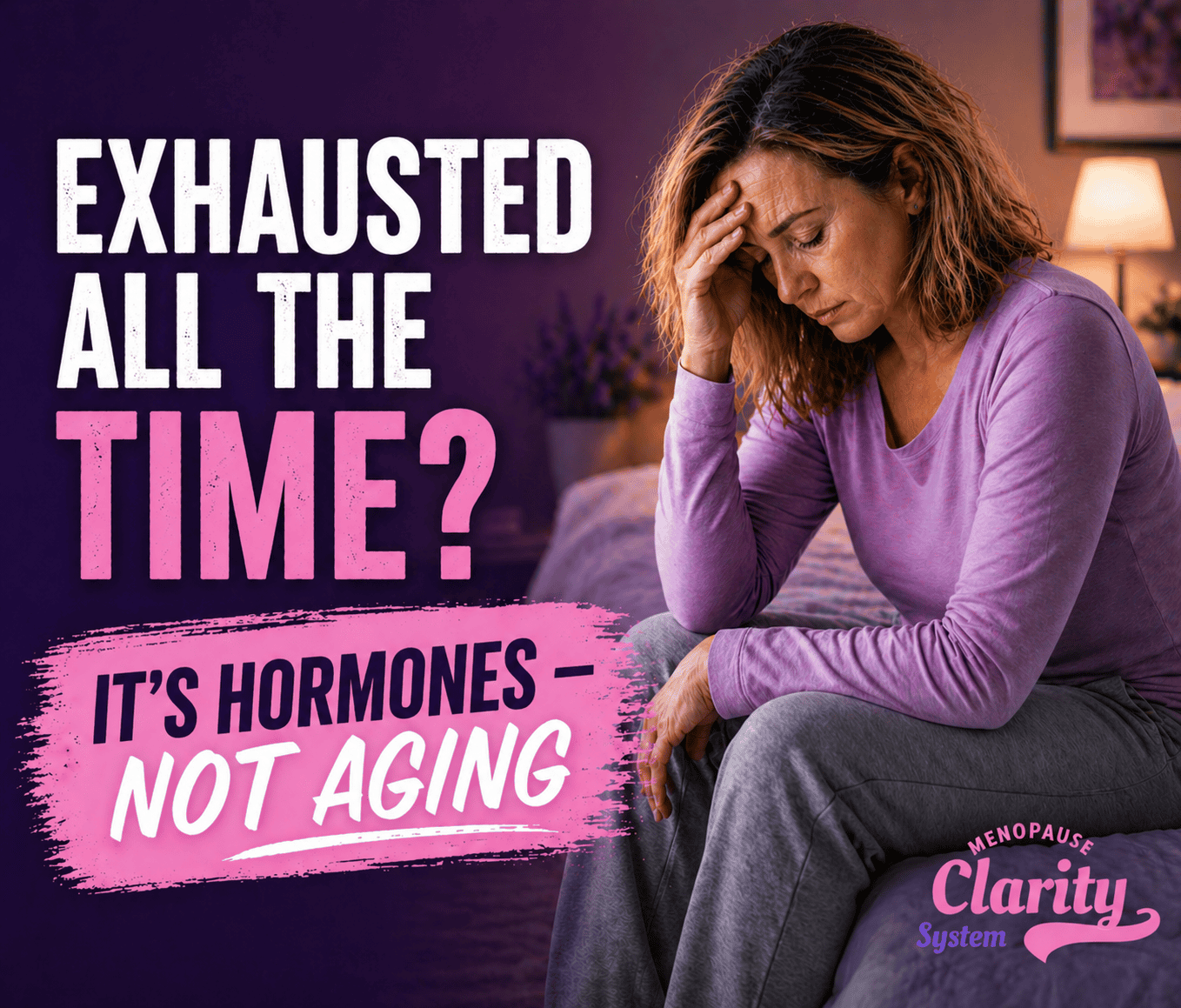
Not just a little tired. The kind of tired that makes getting through an ordinary day feel like an enormous effort.
You haven’t even finished breakfast, and you’re already thinking about when you can sit down again.
By mid-afternoon, your energy has disappeared.
And when bedtime finally arrives?
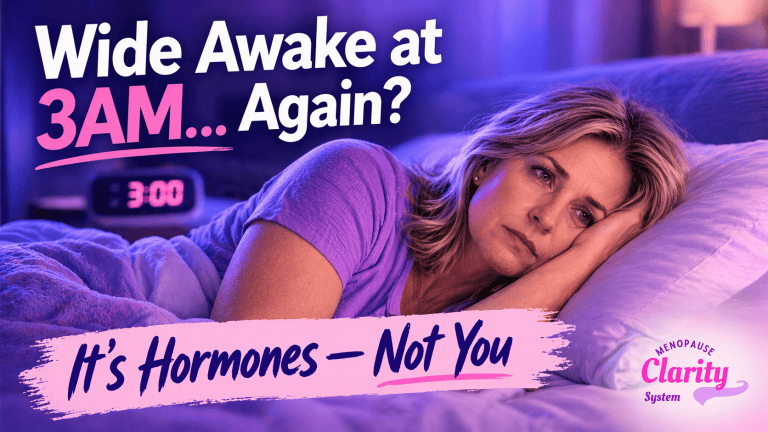
You might be exhausted but unable to sleep.
If this sounds familiar, you’re not alone.
Fatigue is a commonly reported problem during perimenopause and menopause. For some women, it can be one of the most disruptive symptoms of the entire transition.
But here’s something important to understand:
Menopause may contribute to your fatigue, but it isn’t always the only explanation.
Understanding the possible causes is the first step toward finding solutions that actually help.
Why Does Menopause Make You Feel So Tired?
During perimenopause, estrogen and progesterone levels fluctuate as ovulation becomes less predictable.
These hormonal changes can affect several aspects of wellbeing, including sleep, temperature regulation, and mood.
For many women, fatigue develops alongside other symptoms.
You may be experiencing night sweats, insomnia, anxiety, or changes in your menstrual cycle.
Any of these can influence how energetic you feel during the day.
However, fatigue is not specific to menopause.
Medical conditions, medications, nutritional deficiencies, and everyday lifestyle factors can also contribute.
Let’s look at some of the most common possibilities.
1. Poor Sleep Is a Major Contributor to Menopause Fatigue
One of the clearest connections between menopause and fatigue involves sleep.
Hot flashes and night sweats can interrupt your sleep repeatedly.
Even if you don’t remember every awakening, you may wake up feeling unrefreshed.
Some women also develop insomnia during the menopause transition.
You might struggle to fall asleep, wake frequently, or find yourself wide awake in the early morning.
Over time, disrupted sleep can affect:
- Energy and stamina
- Concentration and memory
- Mood and emotional wellbeing
- Motivation
- Your ability to manage everyday stress
If you’re constantly exhausted, understanding your sleep problems is an important place to start.
And if night sweats are responsible, treating those symptoms may improve your sleep.
2. Hormonal Changes May Affect How You Feel
Estrogen and progesterone influence several processes throughout the body.
As their levels change during perimenopause and menopause, some women notice shifts in sleep, mood, and general wellbeing.
These changes may contribute to feelings of fatigue.
But there’s no reliable way to determine the exact cause of your exhaustion simply by identifying a supposed estrogen or progesterone imbalance.
Hormone levels fluctuate during perimenopause, and fatigue can occur for many different reasons.
It’s more useful to consider your symptoms, medical history, sleep patterns, and overall health than to assume one hormone is responsible.
3. Heavy Periods Can Lead to Iron Deficiency
This is an important cause of fatigue that can be overlooked during perimenopause.
As menstrual cycles become less predictable, some women experience heavier or more prolonged bleeding.
Heavy menstrual bleeding can contribute to iron deficiency and, in some cases, iron-deficiency anemia.
Possible symptoms include:
- Persistent tiredness
- Weakness
- Shortness of breath with activity
- Dizziness
- Reduced exercise tolerance
If you’re experiencing heavy periods and unusual fatigue, speak with your healthcare professional.
Blood tests may be appropriate to check for anemia or iron deficiency.
Heavy, prolonged, or otherwise abnormal bleeding should also be assessed rather than automatically attributed to perimenopause.
4. Anxiety and Mood Changes Can Drain Your Energy
Some women experience increased anxiety, irritability, or low mood during the menopause transition.
These symptoms can be exhausting.
Persistent worry may interfere with sleep, while depression can affect energy, motivation, and concentration.
Midlife can also bring significant pressures involving work, family, relationships, and finances.
When emotional stress overlaps with physical menopause symptoms, everyday responsibilities may feel much harder to manage.
If you’re experiencing persistent anxiety or low mood, effective treatments and professional support are available.
You don’t need to assume these symptoms are simply something you have to endure.
5. Sleep Apnea May Be an Overlooked Cause
Not all sleep problems during menopause are caused by night sweats or insomnia.
Obstructive sleep apnea becomes more common after menopause.
It occurs when breathing is repeatedly interrupted during sleep.
Possible signs include:
- Loud or frequent snoring
- Gasping or choking during sleep
- Morning headaches
- Persistent daytime sleepiness
- Difficulty concentrating
- Waking up feeling unrefreshed
Women don’t always experience the classic symptoms associated with sleep apnea.
Sometimes persistent fatigue or insomnia is the most noticeable complaint.
If sleep apnea is suspected, a healthcare professional can arrange an appropriate assessment.
6. Thyroid Problems and Other Medical Conditions Can Cause Fatigue
It’s tempting to attribute every new symptom in your 40s or 50s to menopause.
But several medical conditions can cause symptoms that overlap with menopause fatigue.
These include:
- Thyroid disorders
- Anemia or iron deficiency
- Vitamin B12 deficiency
- Diabetes
- Depression
- Sleep disorders
- Medication side effects
- Other medical conditions
This is why persistent or significant fatigue deserves proper attention.
A menopause symptom checklist cannot determine whether another medical condition is contributing to your exhaustion.
Is Cortisol Causing Your Menopause Fatigue?
You’ve probably heard that menopause causes cortisol to become dysregulated, leaving you exhausted but unable to sleep.
The reality is more complicated.
Cortisol is an essential hormone involved in metabolism, stress responses, and the normal sleep-wake cycle.
Its levels naturally change throughout the day.
Stress and disrupted sleep can affect how you feel, but fatigue alone doesn’t indicate that your cortisol is too high or too low.
Similarly, ordinary menopause fatigue is not evidence of so-called adrenal fatigue, which is not a recognized medical diagnosis.
If a healthcare professional suspects a genuine adrenal or other endocrine disorder, appropriate medical testing may be needed.
But most women don’t need commercial cortisol panels or hormone-balancing supplements simply because they’re tired.
What About Blood Sugar?
Blood glucose levels can affect energy, and diabetes or other glucose-regulation problems may contribute to fatigue.
However, there’s no reason to assume that every woman experiencing menopause fatigue is having repeated blood sugar crashes.
A balanced eating pattern and regular meals may help support general wellbeing.
But if you’re experiencing unusual thirst, frequent urination, unexplained weight changes, or other symptoms suggesting a glucose-related condition, speak with your healthcare professional.
Seven Practical Ways to Improve Your Energy During Menopause
There’s no single solution that works for everyone.
The most effective approach depends on what’s contributing to your fatigue.
Here are seven practical strategies worth considering.
1. Address Sleep Problems First
If night sweats, hot flashes, or insomnia are disrupting your sleep, focus on identifying and managing those symptoms.
Keep your bedroom comfortable and maintain a reasonably consistent sleep schedule.
For persistent insomnia, cognitive behavioural therapy for insomnia (CBT-I) is an evidence-based treatment.
If hot flashes or night sweats are severe, effective hormonal and nonhormonal treatment options are available.
2. Stay Physically Active
When you’re exhausted, exercise may be the last thing you feel like doing.
But regular physical activity can support sleep, mood, strength, and overall energy.
Start at a level that feels manageable.
Walking, swimming, cycling, and resistance training are all possible options.
If exercise causes unusual exhaustion, dizziness, chest discomfort, or other concerning symptoms, seek medical advice rather than pushing through.
3. Eat Regular, Balanced Meals
Your body needs adequate nutrition to function well.
Focus on a balanced eating pattern that includes:
- Protein-rich foods
- Vegetables and fruit
- Fibre-rich whole grains
- Legumes
- Healthy fats
- Adequate fluids
Avoid unnecessarily restrictive diets, especially if you’re already struggling with low energy.
If a nutritional deficiency is suspected, testing and targeted treatment may be more useful than taking supplements at random.
4. Give Yourself Time to Recover
If your sleep has been poor or your schedule is overwhelming, consider whether your daily demands are leaving enough room for rest.
This doesn’t mean you should stop being active.
It means balancing activity with recovery and recognizing when persistent exhaustion needs investigation.
5. Manage Stress in Practical Ways
Stress-management practices may help improve your sense of wellbeing.
Consider walking outdoors, relaxation exercises, mindfulness, enjoyable hobbies, or spending time with supportive people.
These strategies won’t cure every cause of fatigue, but they may help you manage some of the pressures that contribute to feeling overwhelmed.
6. Review Your Medications and Health Conditions
Some medications can cause drowsiness, poor sleep, or fatigue.
If your exhaustion began after starting or changing a medication, discuss it with your healthcare professional or pharmacist.
Don’t stop prescribed medication without appropriate advice.
7. Get Persistent Fatigue Checked
If you’re consistently exhausted despite adequate opportunities for sleep and rest, arrange a medical assessment.
Depending on your symptoms and medical history, your healthcare professional may consider checking for anemia, thyroid problems, nutritional deficiencies, sleep disorders, or other causes.
Identifying a treatable contributor can make a meaningful difference.
Can Menopause Hormone Therapy Help With Fatigue?
Menopausal hormone therapy is an effective treatment for bothersome hot flashes and night sweats in appropriately selected women.
If those symptoms are disrupting your sleep, successful treatment may help you feel more rested during the day.
However, hormone therapy isn’t a universal treatment for fatigue.
Whether it’s appropriate depends on your symptoms, medical history, preferences, and individual risks and benefits.
Discuss your treatment options with a qualified healthcare professional.
When Should You Be Concerned About Fatigue?
Some tiredness after a poor night’s sleep is understandable.
But persistent, severe, or unexplained exhaustion shouldn’t automatically be dismissed as menopause.
Arrange medical advice if fatigue:
- Is getting progressively worse
- Interferes significantly with daily activities
- Persists despite adequate rest
- Occurs alongside heavy menstrual bleeding
- Is accompanied by unexplained weight loss, fever, or other concerning symptoms
- Comes with significant mood changes or persistent daytime sleepiness
Seek emergency medical care for fatigue accompanied by chest pain, severe shortness of breath, fainting, or other potentially serious symptoms.
How the Menopause Clarity System Can Help
One of the most frustrating things about menopause fatigue is that it rarely happens in isolation.
You may be sleeping poorly.
You may be experiencing hot flashes or anxiety.
You may also be dealing with brain fog, changing periods, or other unfamiliar symptoms.
When several changes happen together, it’s easy to feel confused about where to begin.
The Menopause Clarity System™ provides a structured educational framework to help you better understand common menopause-related changes.
It helps you:
- Recognize patterns in your symptoms.
- Understand how sleep, mood, energy, and other experiences may overlap.
- Explore practical ways to support your wellbeing.
- Prepare for more informed conversations with healthcare professionals.
- Approach the menopause transition with greater clarity and confidence.
MCS doesn’t diagnose the cause of fatigue or promise to correct an exact hormonal imbalance.
Instead, it helps you organize what you’re experiencing and make more informed decisions about your next steps.
Ready to understand your menopause symptoms?
Explore the Menopause Clarity System
The Bottom Line: Extreme Fatigue Deserves More Than a Quick Fix
Menopause fatigue can be frustrating, disruptive, and difficult to explain.
Hormonal changes may contribute, particularly when sleep is affected.
But anemia, thyroid disorders, sleep apnea, mood symptoms, medications, and other health conditions can also play a role.
The answer isn’t necessarily another supplement, an extreme diet, or a promise to balance your hormones.
It’s understanding what may be contributing to your exhaustion and choosing appropriate ways to address it.
You deserve to feel better—and you deserve an explanation that goes beyond simply blaming menopause.
Medical disclaimer: This article is for general educational purposes only and does not provide personalized medical advice, diagnosis, or treatment. Consult a qualified healthcare professional about persistent, severe, worsening, or unexplained fatigue and your individual treatment options.